Items filtered by date: November 2025
Types and Causes of Plantar Warts

Plantar warts are small, rough growths that form on the soles of the feet due to infection by the human papillomavirus, or HPV. This virus enters through tiny cuts or cracks in the skin, often in moist environments like locker rooms or around swimming pools. Two main types are myrmecial warts, which grow inward under pressure and often cause pain while walking, and mosaic warts, which form clusters that tend to be flatter and less painful. Plantar warts often appear on weight-bearing areas, like the heels or balls of the feet, developing thickened skin with tiny black dots that are clotted blood vessels. They can make standing or walking uncomfortable and sometimes alter gait mechanics, leading to additional foot strain. A podiatrist can confirm a diagnosis, safely remove painful lesions, and provide effective treatment to prevent recurrence. If you believe you have a plantar wart, it is suggested that you make an appointment with a podiatrist for a diagnosis and treatment options.
Plantar warts can be very uncomfortable. If you need your feet checked, contact one of our podiatrists from Podiatry Associates of Victoria. Our doctors will assist you with all of your foot and ankle needs.
About Plantar Warts
Plantar warts are the result of HPV, or human papillomavirus, getting into open wounds on the feet. They are mostly found on the heels or balls of the feet.
While plantar warts are generally harmless, those experiencing excessive pain or those suffering from diabetes or a compromised immune system require immediate medical care. Plantar warts are easily diagnosed, usually through scraping off a bit of rough skin or by getting a biopsy.
Symptoms
- Lesions on the bottom of your feet, usually rough and grainy
- Hard or thick callused spots
- Wart seeds, which are small clotted blood vessels that look like little black spots
- Pain, discomfort, or tenderness of your feet when walking or standing
Treatment
- Freezing
- Electric tool removal
- Laser Treatment
- Topical Creams (prescription only)
- Over-the-counter medications
To help prevent developing plantar warts, avoid walking barefoot over abrasive surfaces that can cause cuts or wounds for HPV to get into. Avoiding direct contact with other warts, as well as not picking or rubbing existing warts, can help prevent the further spread of plantar warts. However, if you think you have developed plantar warts, speak to your podiatrist. He or she can diagnose the warts on your feet and recommend the appropriate treatment options.
If you have any questions, please feel free to contact our office located in Victoria, TX . We offer the newest diagnostic and treatment technologies for all your foot care needs.
Diagnosis and Treatment for Heel Pain

Heel pain is one of the most frequently reported foot problems and can make walking or standing difficult. It often develops from plantar fasciitis, Achilles tendon irritation, bone spurs, or stress on the heel from overuse or wearing poor footwear. A podiatrist begins by reviewing symptoms, examining the foot, and sometimes ordering imaging tests to pinpoint the cause. Treatment focuses on reducing inflammation, improving flexibility, and relieving pressure on the heel. This may include custom orthotics, targeted exercises, or advanced options such as laser or shockwave therapy. Supportive shoes and temporary rest from high-impact activity also help promote healing. Early evaluation ensures a faster recovery and prevents chronic pain from developing. If heel discomfort is limiting your movement or daily comfort, it is suggested that you schedule an appointment with a podiatrist for accurate diagnosis and effective care.
Many people suffer from bouts of heel pain. For more information, contact one of our podiatrists of Podiatry Associates of Victoria. Our doctors can provide the care you need to keep you pain-free and on your feet.
Causes of Heel Pain
Heel pain is often associated with plantar fasciitis. The plantar fascia is a band of tissues that extends along the bottom of the foot. A rip or tear in this ligament can cause inflammation of the tissue.
Achilles tendonitis is another cause of heel pain. Inflammation of the Achilles tendon will cause pain from fractures and muscle tearing. Lack of flexibility is also another symptom.
Heel spurs are another cause of pain. When the tissues of the plantar fascia undergo a great deal of stress, it can lead to ligament separation from the heel bone, causing heel spurs.
Why Might Heel Pain Occur?
- Wearing ill-fitting shoes
- Wearing non-supportive shoes
- Weight change
- Excessive running
Treatments
Heel pain should be treated as soon as possible for immediate results. Keeping your feet in a stress-free environment will help. If you suffer from Achilles tendonitis or plantar fasciitis, applying ice will reduce the swelling. Stretching before an exercise like running will help the muscles. Using all these tips will help make heel pain a condition of the past.
If you have any questions, please feel free to contact our office located in Victoria, TX . We offer the newest diagnostic and treatment technologies for all your foot care needs.
Causes and Treatment of Ankle Ulcers

Ankle ulcers are open sores that develop when the skin around the ankle breaks down, but does not heal. They are often linked to poor blood flow, nerve damage, or high pressure in the veins. Venous stasis ulcers are the most common type of ankle ulcer and usually form just above the ankle joint. They occur when blood does not move back to the heart as it should, which causes swelling and tissue damage. Diabetes and arterial disease can also increase the risk of ankle ulcers. Other risk factors include varicose veins, previous blood clots, chronic swelling, inflammatory problems, and smoking, which reduces oxygen supply to the skin. Symptoms may include redness, swelling, warmth, drainage of fluid, and pain or itching. A podiatrist can examine the ankle ulcer, check circulation, provide wound care, and use compression to reduce swelling and improve healing. If you have an ankle ulcer, it is suggested that you promptly schedule an appointment with a podiatrist for an exam and appropriate treatment solutions.
Wound care is an important part in dealing with diabetes. If you have diabetes and a foot wound or would like more information about wound care for diabetics, consult with one of our podiatrists from Podiatry Associates of Victoria. Our doctors will assess your condition and provide you with quality foot and ankle treatment.
What Is Wound Care?
Wound care is the practice of taking proper care of a wound. This can range from the smallest to the largest of wounds. While everyone can benefit from proper wound care, it is much more important for diabetics. Diabetics often suffer from poor blood circulation which causes wounds to heal much slower than they would in a non-diabetic.
What Is the Importance of Wound Care?
While it may not seem apparent with small ulcers on the foot, for diabetics, any size ulcer can become infected. Diabetics often also suffer from neuropathy, or nerve loss. This means they might not even feel when they have an ulcer on their foot. If the wound becomes severely infected, amputation may be necessary. Therefore, it is of the upmost importance to properly care for any and all foot wounds.
How to Care for Wounds
The best way to care for foot wounds is to prevent them. For diabetics, this means daily inspections of the feet for any signs of abnormalities or ulcers. It is also recommended to see a podiatrist several times a year for a foot inspection. If you do have an ulcer, run the wound under water to clear dirt from the wound; then apply antibiotic ointment to the wound and cover with a bandage. Bandages should be changed daily and keeping pressure off the wound is smart. It is advised to see a podiatrist, who can keep an eye on it.
If you have any questions please contact our office located in Victoria, TX . We offer the newest diagnostic and treatment technologies for all your foot and ankle needs.
Are You Suffering From Ingrown Toenails?

If left untreated, an ingrown toenail can lead to more serious concerns, such as an infection. Knowing proper nail care can help in the prevention of an ingrown toenail. Give us a call, and get treated!
What Is Cuboid Syndrome?
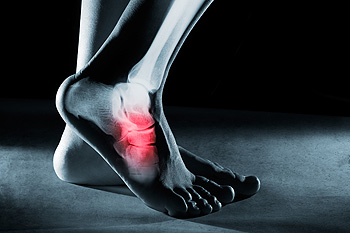 The cuboid bone is an oddly shaped bone in the center of the foot surrounded by other bones. The calcaneocuboid (CC) is the joint between the cuboid and heel bones and plays an important part in movement and stability. Cuboid Syndrome is a painful condition on the outside of the foot which occurs when the cuboid bone is displaced and no longer aligns with other bones, resulting in a loss of joint congruence. It may become difficult to put weight on the foot, stand, walk, or hop. Causes of cuboid syndrome may include obesity, muscle or tendon impairment, flat feet, or inappropriate footwear. If you wear shoe inserts that are poorly made, train on hard surfaces (or overtrain), you may increase your risk of developing cuboid syndrome. Imaging may not be able to detect the loss of congruence in the joint so a podiatrist will perform an examination and clinical tests to make a diagnosis and devise a treatment plan.
Cuboid syndrome, also known as cuboid subluxation, occurs when the joints and ligaments near the cuboid bone in the foot become torn. If you have cuboid syndrome, consult with one of our podiatrists from Podiatry Associates of Victoria. Our doctors will assess your condition and provide you with quality foot and ankle treatment.
Cuboid syndrome is a common cause of lateral foot pain, which is pain on the outside of the foot. The condition may happen suddenly due to an ankle sprain, or it may develop slowly overtime from repetitive tension through the bone and surrounding structures.
Causes
The most common causes of cuboid syndrome include:
- Injury – The most common cause of this ailment is an ankle sprain.
- Repetitive Strain – Tension placed through the peroneus longus muscle from repetitive activities such as jumping and running may cause excessive traction on the bone causing it to sublux.
- Altered Foot Biomechanics – Most people suffering from cuboid subluxation have flat feet.
Symptoms
A common symptom of cuboid syndrome is pain along the outside of the foot which can be felt in the ankle and toes. This pain may create walking difficulties and may cause those with the condition to walk with a limp.
Diagnosis
Diagnosis of cuboid syndrome is often difficult, and it is often misdiagnosed. X-rays, MRIs and CT scans often fail to properly show the cuboid subluxation. Although there isn’t a specific test used to diagnose cuboid syndrome, your podiatrist will usually check if pain is felt while pressing firmly on the cuboid bone of your foot.
Treatment
Just as the range of causes varies widely, so do treatments. Some more common treatments are ice therapy, rest, exercise, taping, and orthotics.
If you have any questions, please feel free to contact our office located in Victoria, TX . We offer the newest diagnostic and treatment technologies for all your foot care needs.
